

The Rise of Phygital Products
In a world that's increasingly driven by technology, businesses are constantly seeking ways to bridge the gap between physical and digital experiences. Enter "phygital"--a term that's taking the business world by storm. If you're a tech enthusiast, digital marketer, investor, or small business owner, understanding the rise of phygital products can provide crucial insights into the future of commerce and consumer engagement.
Definition of Phygital
At its core, phygital merges the best of both physical and digital worlds. It refers to the integration of digital technologies into physical spaces and products, creating seamless and immersive experiences for consumers. This blend enhances the interaction between a customer and a brand, but also uses real-time data for personalized services.
Phygital experiences can be seen in various contexts, such as retail stores that use augmented reality to enhance shopping or smart homes that integrate with personal devices for improved convenience. By combining tactile elements with digital interfaces, businesses can offer unique, engaging experiences that stand out in a competitive market. The use of real-time information allows businesses to improve these experiences continuously, and ensures that customers' needs and preferences will be met quickly and efficiently.
Why Phygital Is Trending Now
The trend towards phygital products is fueled by rapid advancements in technology and changing consumer behaviors. Consumers expect more interactive and integrated experiences with the proliferation of smartphones and IoT devices. Companies that can meet these expectations stand to gain a significant competitive edge.
Understanding Phygital Products
Fusion of Physical and Digital
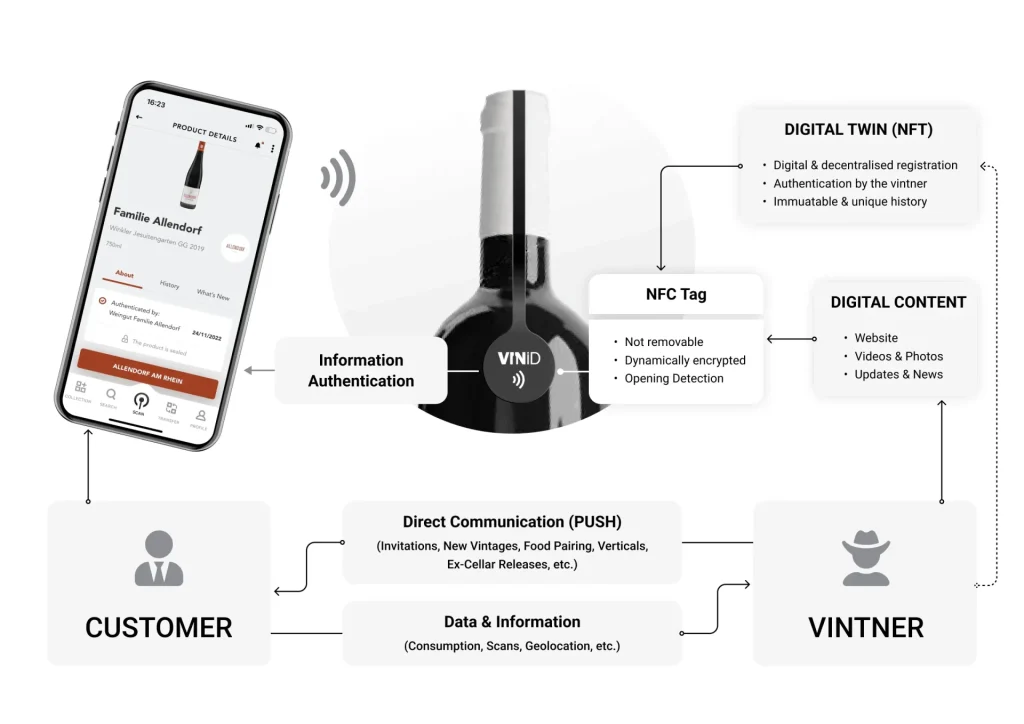
The phygital product is a harmonious combination of physical products and digital capabilities. It can be as simple as QR codes on the packaging, or more complex integrations like augmented reality apps which bring physical products alive. The goal is to create an experience that transcends both realms.
Examples of Phygital Products
Smart Home Devices
Smart home devices, such as smart thermostats that can learn your temperature preferences and adjust accordingly, security cameras with real-time monitoring and advanced motion detection capabilities, or voice-activated assistants are all examples of phygital (physical + digital) products. These include smart thermostats that can learn your temperature preferences and adjust accordingly, security cameras that offer real-time monitoring and advanced motion detection, and voice-activated assistants that can control various devices, answer questions, and even manage your schedule. These devices offer unprecedented convenience, enhanced efficiency and control over the household environment, making everyday life easier and more connected.
Augmented Reality Retail
Retailers are increasingly adopting augmented reality (AR) to create engaging shopping experiences. Furniture stores, for example, offer AR apps to help customers visualize the look of a particular piece of furniture in their homes before they make a purchase. This not only improves the shopping experience but also reduces return rates.
Wearable Technology
Wearable technology, such as smartwatches and fitness trackers, exemplifies the phygital concept by merging physical devices with digital health data. These products allow users to monitor their own health in real time, providing insights and recommendations based upon data collected during their daily activities.
Benefits of Phygital Products
Enhanced Customer Experience
One of the most significant benefits of phygital products is the enhanced customer experience they offer. Businesses can create engaging, interactive experiences for consumers by integrating digital elements. These products blend the physical and digital worlds, offering features such as augmented reality, personalized digital content, and real-time feedback. This seamless integration not only captivates customers but also provides valuable insights for businesses to continuously improve their offerings. As a result, phygital products can lead to higher customer satisfaction and loyalty, ultimately driving growth and success for companies.
Personalized Interactions
Phygital products enable personalized interactions by leveraging data and AI. Smart retail shelves, for example, can suggest products based upon a customer's past purchases. Digital displays can also adapt their content to individual preferences.
Increased Engagement and Loyalty
Customers are more loyal to brands when they feel engaged. Phygital products create memorable experiences that keep customers coming back for more. Interactive kiosks, smart mirrors, and gamified shopping experiences are just a few examples of how phygital can drive engagement.
Real-time data and analytics
Phygital products generate real-time data that businesses can use to gain insights into customer behavior. These data can be used to inform everything from marketing strategies to inventory management, helping companies make better decisions.
The Impact on Various Industries
Buy it Now
Experiences in-store
Physical products revolutionize in-store experiences, making them more immersive and interactive. Retailers are improving the shopping experience with digital displays, smart fitting room, and AR applications.
Online Shopping Integration
Online shopping is also influenced by the integration of digital and physical elements. Features like virtual try-ons, 3D product visualizations, and AI-driven recommendations are blurring the lines between online and offline shopping.
Healthcare
Remote Monitoring Devices
In the healthcare industry, phygital devices such as remote monitoring systems allow continuous monitoring of vital signs. These devices are able to send real-time information to healthcare providers. This allows for timely interventions and improved patient outcomes.
Telehealth Services
Telehealth services combine digital communications tools with physical consultations. Patients can have virtual appointments with healthcare providers, access digital health records, and even receive prescriptions without leaving their homes.
Enjoy the Entertainment
Virtual Reality Experiences
Virtual reality (VR) is being used by the entertainment industry to create immersive experiences. VR headsets and controllers allow users to interact with digital environments in a physical space, offering unparalleled levels of immersion.
Interactive Gaming
Interactive gaming systems blend physical actions with digital gameplay. Motion-sensing and augmented reality technologies bring games to life and offer a more dynamic and engaging gaming experience.
Challenges to Adopting Phygital products
Technology Integration
Infrastructure Requirements
Adopting phygital products requires a robust infrastructure that can support advanced technologies. To ensure seamless integration, businesses need to invest heavily in high-speed Internet, secure servers and compatible hardware.
Data Privacy Concerns
With the increased use of digital technologies comes the challenge of data privacy. Companies must ensure that they are compliant with data protection regulations and that customer data is securely stored and managed.
Cost implications
Investing in Technology
Implementing physical solutions can require significant investments in new technology. This can be a barrier for smaller businesses that may not have the financial resources to make such investments.
Training and Development
Businesses must invest in their employees' training and development to adopt phygital technologies. The employees must be able to use new technologies and integrate them into daily operations.
Strategies for Successful Phygital Implementation
Building a Phygital Strategy
Understanding Customer Needs
Understanding your customers' preferences and needs is the first step to building a successful digital strategy. anti counterfeiting technology companies , gather feedback, and analyze data to gain insights into what your customers value most.
Using the Right Technologies
Choose technologies that align with your business goals and customer needs. Whether it's AR, IoT, or AI, make sure the technologies you adopt can deliver the desired outcomes.
Collaborating with Tech Partners
Collaboration with technology partners will provide you the resources and expertise needed to implement physical solutions. Look for partners with a proven track record in your industry to ensure a successful collaboration.
Case Studies of Successful Phygital Transformations
Leading Retail Brands
Retail giants like Nike and IKEA successfully integrate phygital technologies into their business models. Nike's AR app allows customers to virtually try on shoes, while IKEA's AR app helps customers visualize furniture in their homes.
Healthcare Innovations
Companies like Philips, Medtronic and others are using phygital technology to improve the care of patients. Philips' remote monitoring devices allow for continuous tracking of patients' health, while Medtronic's telehealth services offer virtual consultations.
Future of Phygital Products
Emerging Trends
AI and Machine Learning Integration
AI and machine-learning integration will revolutionize the phygital industry. These technologies can improve personalization, data analysis, as well as automate various processes.
Expanding the use of IoT devices
The Internet of Things (IoT) is expected to expand, with more devices becoming interconnected. It will allow phygital devices to provide seamless and integrated experiences.
Predictions for the Next Decade
Shifts In Consumer Behavior
Consumer behavior is likely to shift towards greater acceptance and expectation of phygital experiences. Businesses that can meet these expectations will be well-positioned for success.
Evolution of Phygital experiences
The phygital experience will continue to develop, becoming more immersive and sophisticated. Technological advances will allow for new and innovative applications to phygital products in various industries.
Summary of the Phygital Revolution
The phygital revolution is transforming the way businesses interact with customers, offering enhanced experiences that blend the physical and digital worlds. Phygital products offer new engagement and innovation opportunities in retail, healthcare and entertainment.
Final Thoughts about the Future of Phygital
The future is bright for phygital, as new trends and technological advances will drive growth. Businesses that can successfully integrate phygital products into their operations will gain a competitive edge and be well-positioned for long-term success.
FAQs
What are phygital products?
Phygital products are those that combine physical and digital elements to create seamless and immersive experiences for users. Smart home devices, wearable technology, and augmented reality apps are examples.
How can phygital products improve customer experience?
They enhance the customer experience through personalized interactions, increased engagement and real-time insights. They create more engaging and interactive experiences that resonate with consumers.
Which industries are the most affected by digital trends?
Industries most affected by phygital trends include retail, healthcare, and entertainment. These industries are using phygital technologies to provide innovative and engaging experiences to their customers.
What are the major challenges in implementing phygitals?
Implementing phygitals products is a challenge that includes technology integration, privacy concerns, costs, and training and development.
How can businesses successfully adopt phygital strategys?
Companies can successfully adopt phygital strategies by understanding customer needs, leveraging the right technologies, collaborating with tech partners, and learning from case studies of successful phygital transformations.